



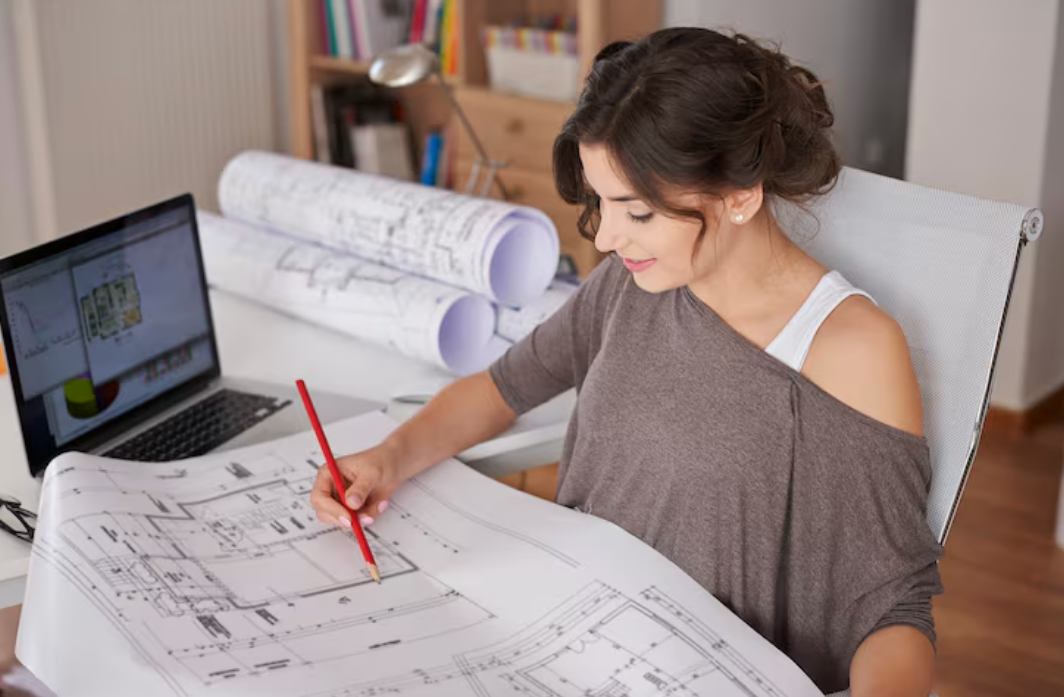
Moving into a brand-new home is an exciting milestone. After months — sometimes years — of planning, designing, and watching the build progress, the day finally arrives when you receive the keys. But before you start unpacking boxes and hanging curtains, there’s one crucial step that can make all the difference to your long-term satisfaction: the handover inspection.
In Victoria, the handover process is your final opportunity to ensure the home has been built to the agreed standard, complies with building codes, and is free from defects. A thorough approach at this stage protects your investment and prevents costly surprises later on.
Why the Handover Stage Is So Important
Once you accept the property and move in, getting the builder to return for rectification work can become more complicated. While warranty periods and consumer protections exist, it’s far easier to have defects addressed before you sign off.
The handover stage is also when you can verify that all the inclusions, finishes, and design elements you agreed on have been delivered. This is not just about checking for cosmetic flaws — it’s about ensuring your home is structurally sound, functional, and ready to live in.
Step 1: Review Your Contract and Specifications
Before your inspection day, revisit your building contract, plans, and specifications. These documents detail exactly what your builder has agreed to deliver, including:
- Materials and brands specified
- Layout and dimensions of rooms
- Fixtures, fittings, and appliances
- Energy efficiency requirements
- Finishes and colours
Having this information fresh in your mind will help you check each element thoroughly.
Step 2: Engage a Professional Inspector
Even if you feel confident in your own ability to spot defects, engaging professionals in new home building inspection Melbourne is highly recommended. They understand construction tolerances, building codes, and industry standards, and can identify issues you might overlook.
A professional inspector will produce a detailed report, complete with photographs, which can be provided to the builder for rectification before settlement.
Step 3: Inspect the Exterior First
Begin your inspection outside, checking for:
- Quality of brickwork, rendering, or cladding
- Evenness and stability of paving, driveways, and paths
- Secure fencing and gates
- Proper roof installation with no visible gaps or misaligned tiles
- Well-installed guttering and downpipes, directing water away from the home
- Correct site drainage to prevent water pooling near the foundations
Also ensure that external paintwork, stains, and sealants are applied evenly and to the agreed colour.
Step 4: Check the Interior Room by Room
Inside the home, work through each room systematically. Look for:
- Even plaster finishes with no cracks or visible joints
- Smooth and consistent paintwork with no missed areas
- Properly installed flooring — tiles should be level with even grout lines, and timber or laminate should be free from gaps or lifting
- Well-fitted cabinetry with smooth operation of doors and drawers
- Secure and correctly installed handles, latches, and fittings
- Windows and doors that open and close easily without sticking or scraping
Don’t forget to inspect ceilings, architraves, and skirting boards for neatness and alignment.
Step 5: Test All Fixtures and Systems
Functionality is just as important as appearance. During your walkthrough:
- Turn on all taps and check water pressure and drainage speed
- Flush each toilet to ensure proper operation
- Test all light switches and power points
- Check that heating, cooling, and hot water systems are functioning as promised
- Test appliances included in the build, such as ovens, cooktops, and dishwashers
It’s far easier to have these issues addressed before you move in than to arrange service calls later.
Step 6: Inspect Wet Areas Closely
Bathrooms, laundries, and kitchens require extra attention because water damage can be costly to repair. Ensure:
- Waterproofing is complete and compliant with standards
- Tiles are properly sealed and grouted
- Silicone seals are neatly applied with no gaps
- Fixtures are secure and free from leaks
Run showers and sinks for a few minutes to check for leaks under vanities or in hidden areas.
Step 7: Review the Finishing Touches
Small imperfections might seem trivial during the excitement of handover, but they can be frustrating over time. Look for:
- Uneven paint lines or missed spots
- Scratches or chips in benchtops, flooring, or fixtures
- Damaged window coverings or missing fittings
- Loose handles, hinges, or hardware
Document every issue — no matter how small — so there’s a clear record of what needs attention.
Step 8: Ensure Energy Efficiency Features Are Delivered
If your contract included energy efficiency upgrades, verify they are in place. This may include insulation, double glazing, efficient lighting, and solar systems. These features not only save you money but also improve your home’s comfort and value.
If you’re still in the planning stages for your home, consider working with a skilled building designer to incorporate energy-efficient layouts and materials right from the start. This ensures your home performs well for years to come.
Step 9: Compile a Defects List and Follow Up
Once your inspection is complete, create a defects list to send to your builder. Ensure all communication is in writing and keep a copy of the list for your records. Before final settlement, re-inspect the property to confirm that all agreed repairs have been completed.
Step 10: Keep Your Documentation Safe
Finally, keep your building contract, inspection report, warranties, compliance certificates, and defects list together in a safe place. You may need these documents for future repairs, warranty claims, or if you decide to sell the property.
Final Thoughts
The handover stage is your last chance to ensure your new home meets your expectations and complies with the agreed specifications. By following a detailed checklist and enlisting professional help, you can protect your investment and enjoy the peace of mind that comes with knowing your home is ready for years of comfortable living.
In Victoria’s competitive property market, this attention to detail can be the difference between moving into a flawless home and facing months of frustrating rectifications. Take the time to get it right, and your first days in your new home will be stress-free — exactly as they should be.
